WatchGuard Concrete — Repair the Slab, Then Coat It
Concrete Mender penetrates into cracked and spalled concrete and rebuilds it structurally instead of patching over it. Once the slab is sound, OR-621 basecoat and OR-55 topcoat finish it. Repair and coating from one brand, usually in the same visit — private-labeled for concrete contractors and distributors.
Get Concrete Repair PricingWhy Repair-First Beats Coat-and-Hope
Concrete Mender Rebuilds, It Does Not Patch
A patching compound is a foreign material sitting on top of the slab. It shrinks differently, moves differently, and eventually debonds at the perimeter. Concrete Mender wicks into the crack network and cures inside the existing matrix, so the repair is monolithic with the concrete around it.
Fixes Problems That Telegraph Through Coatings
Coat over a spalled control joint or an active crack and it will show up in the finish within a season. Repairing the substrate first is the difference between a floor that looks good on day one and a floor that still looks good in year five.
Saves Slabs From Demo-and-Repour
A slab a general contractor was quoting as a tear-out is often a repair job. That changes a five-figure capital project into a maintenance line item — and it is usually the argument that wins the work.
Repair and Coating From One Supplier
Concrete Mender, OR-621 basecoat, OR-55 topcoat, and 7001 Primer come from the same manufacturer and are formulated to work together. One technical contact when something needs answering, and one brand on the invoice.
Concrete Problems This System Solves
Structural repair, joint rebuilding, and protective coating for interior and exterior concrete.
- Spalled control joints
- Cracked & settling slabs
- Popouts & surface delamination
- Loading docks & dock plates
- Ramps, steps & curbs
- Warehouse & plant floors
- Freezer & cold storage slabs
- Containment & trench drains
- Foundations & below grade
- Parking decks & aprons
The WatchGuard Concrete System
Four products in sequence: prep, repair, base, finish.
What Actually Goes Wrong With a Slab
Concrete does not usually fail all at once. It fails at the joints, then at the edges of the joints, then across the panel.
A control joint is a deliberate weakness — a saw cut that tells the slab where to crack so it does not crack somewhere you care about. That works until a forklift wheel hits the joint edge a few thousand times. The edge spalls, the spall widens, the wheel now drops into the gap and hits harder, and the failure accelerates on itself.
Traditional joint repair fills the void with a patching material that is not the same as the concrete around it. It has a different modulus, a different shrinkage rate, and a bond line at the perimeter that is now the new weak point. In a busy plant that repair often does not last a year.
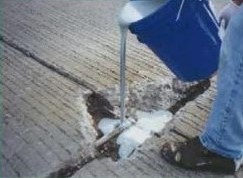
Concrete Mender takes a different approach. It is thin enough to penetrate into the crack network and the porosity around the defect, and it cures inside that structure. There is no bond line at a perimeter because there is no perimeter — the repair grades into sound concrete. Grind it flush and it takes traffic and coating like the rest of the slab.
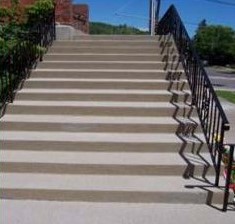
The Repair-and-Coat Sequence
Who Runs This System
Concrete repair and restoration contractors who are tired of going back to the same joints every eighteen months. Structural repair changes the service interval, not just the appearance.
Floor coating contractors who need to solve the substrate before they can warranty the finish. Most callbacks on coated floors are substrate failures wearing a coating's name.
Facility and plant maintenance teams running distribution centers, food plants, cold storage, and manufacturing floors, where taking a slab out of service for a repour is not an option.
Distributors and supply houses serving those trades. The full WatchGuard Concrete system is available under your own label — same products, your brand on the pail.
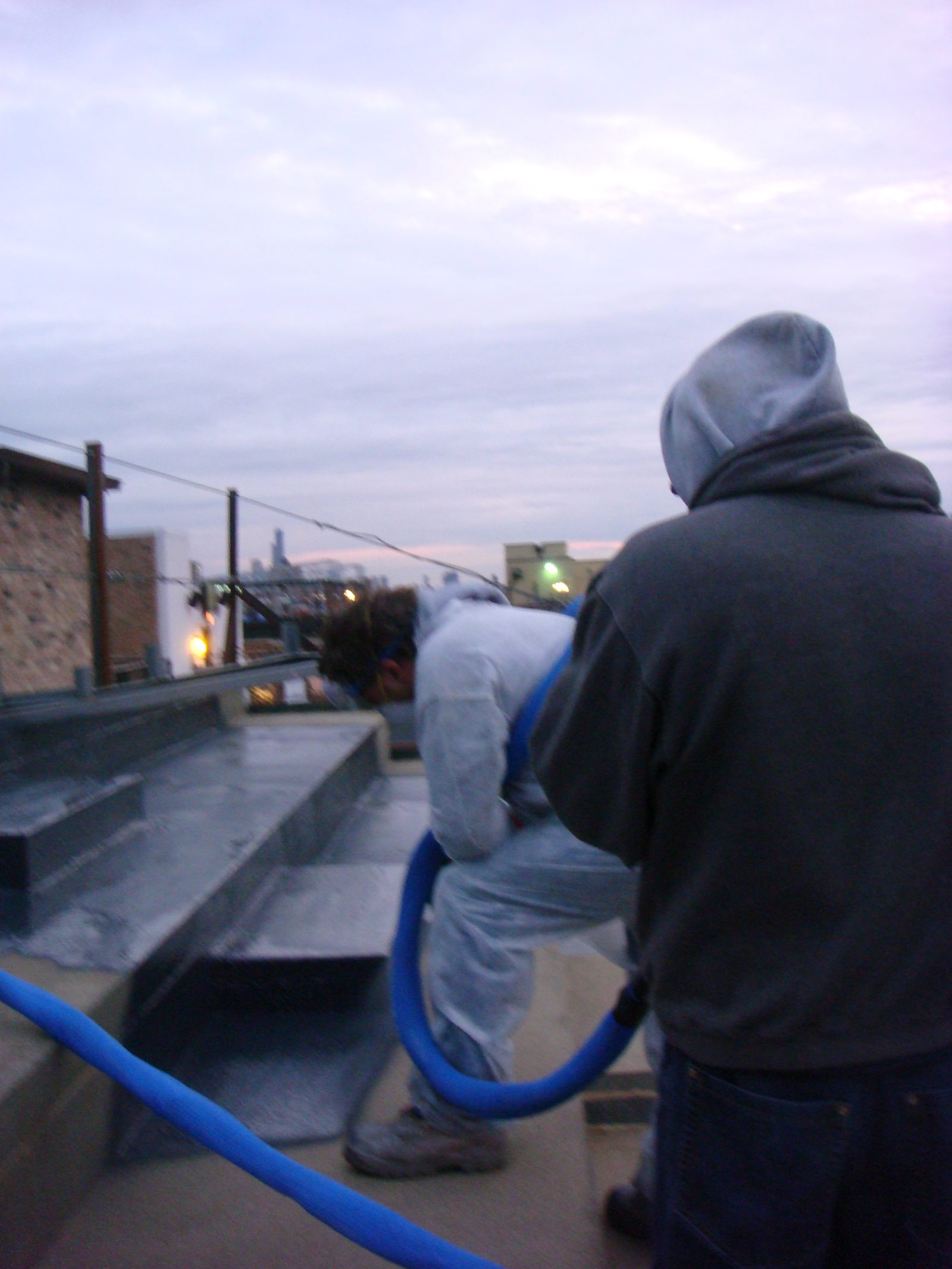
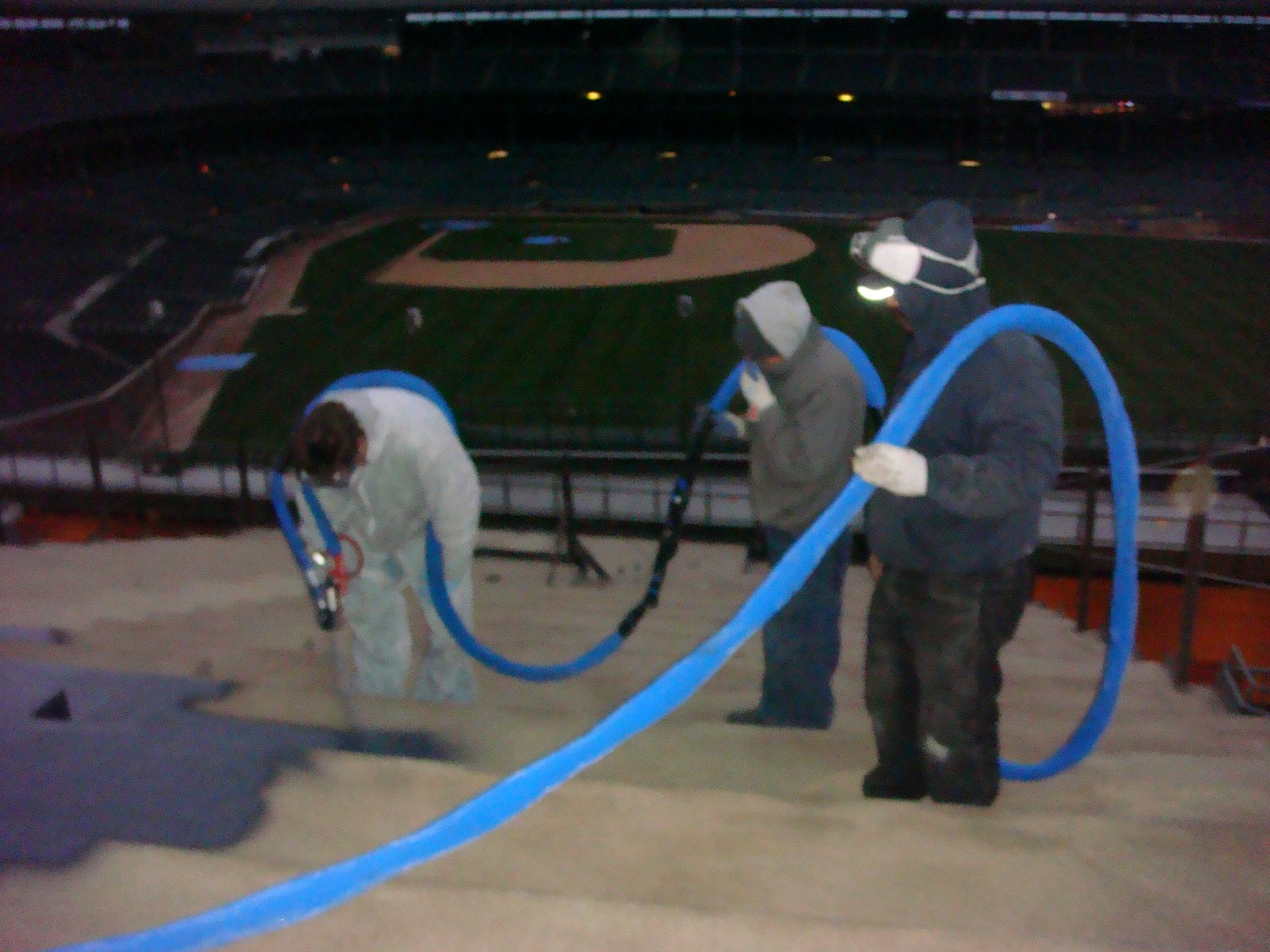
Concrete Work
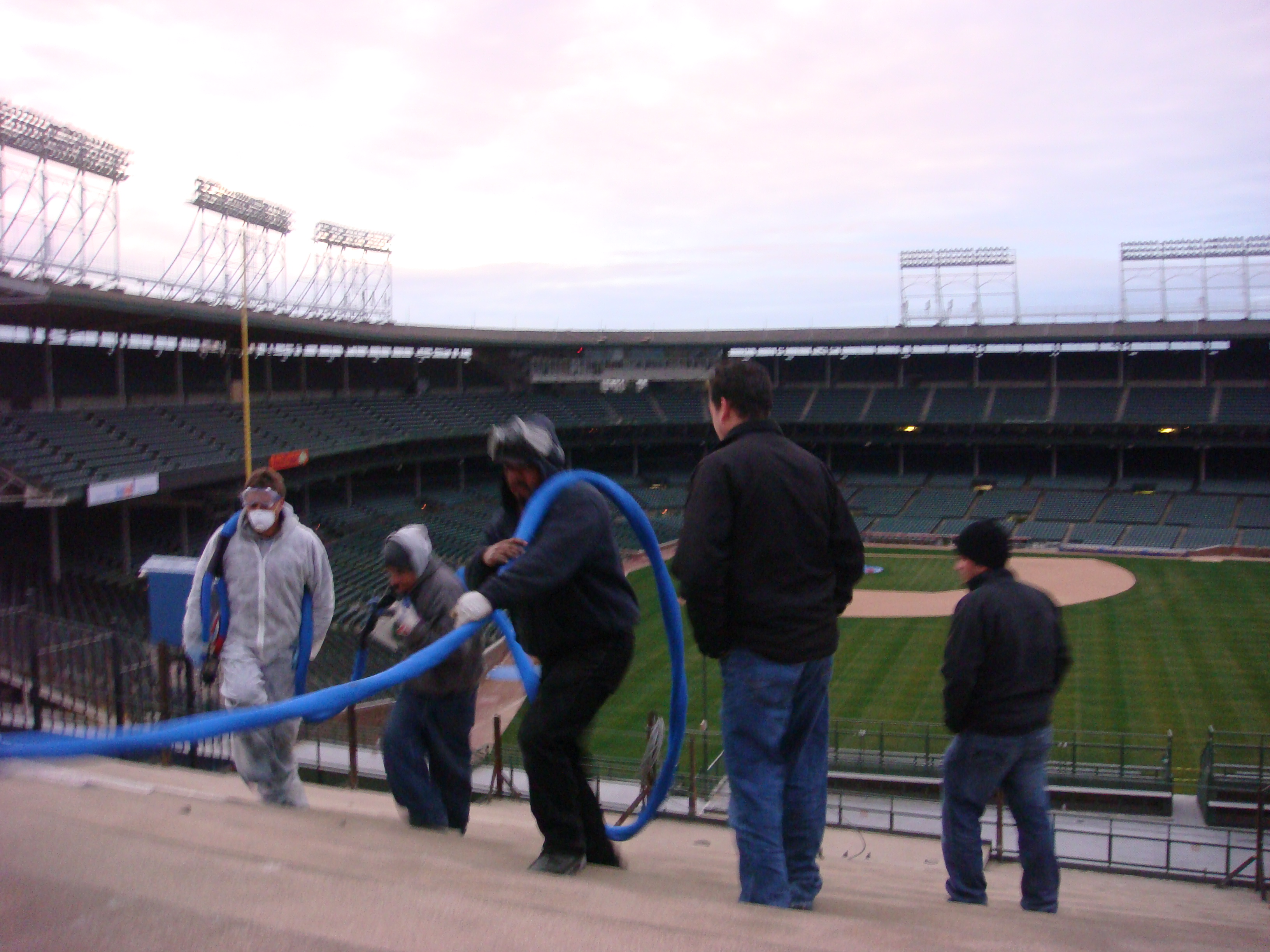
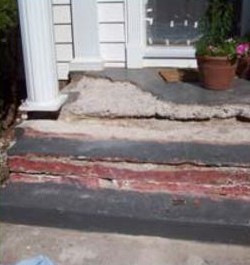
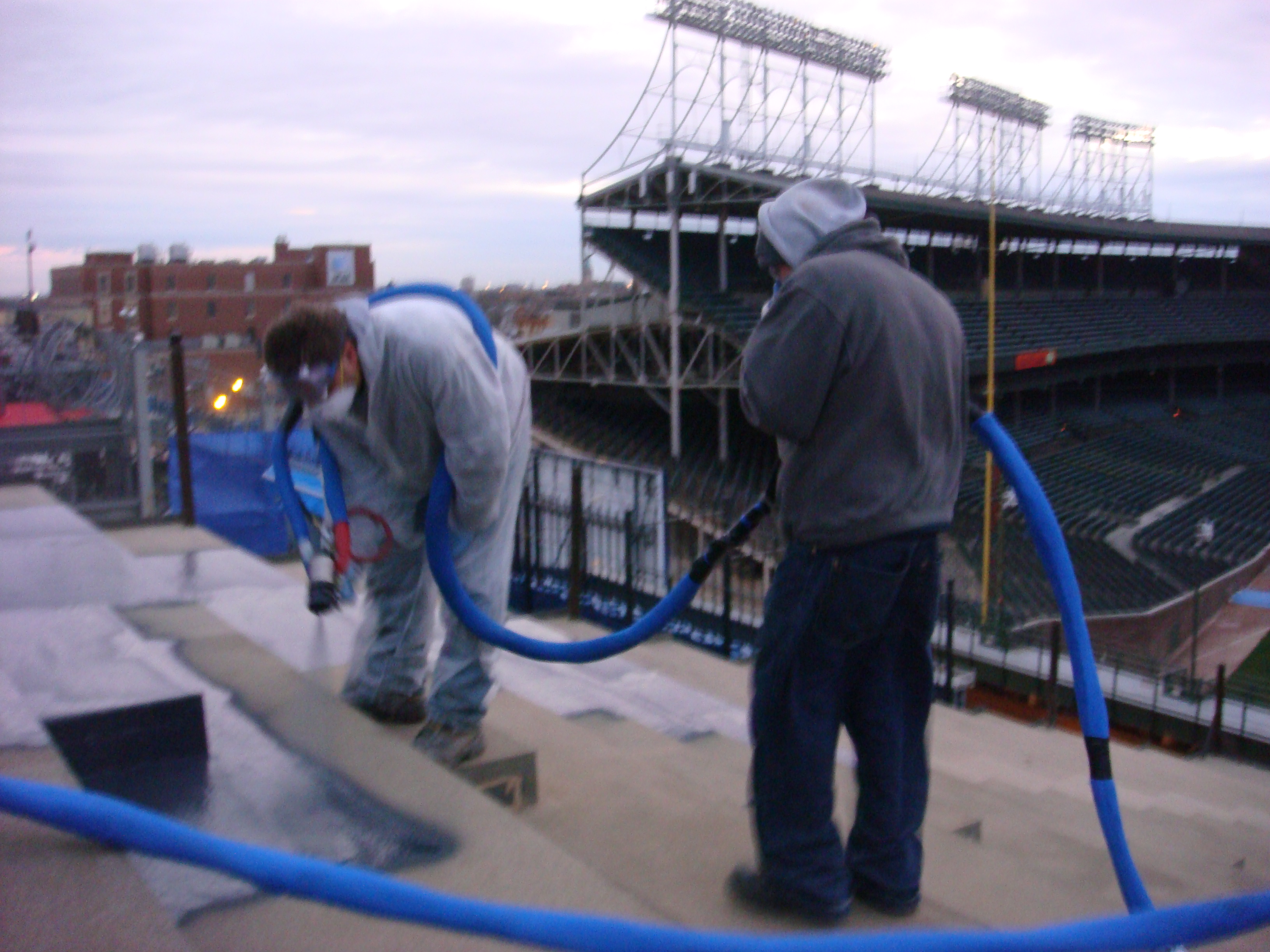
Send Us a Photo of the Slab
Joint spalling, cracking, popouts, delamination — describe the failure and the environment and we will tell you honestly whether it is a repair or a repour, and what the repair takes.
Get a Repair SpecGet Concrete Repair Pricing
Tell us about your project and we will follow up with product details, technical data sheets, and pricing.
Frequently Asked Questions
Frequently Asked Questions
What concrete contractors and facility managers ask before they specify it.
Concrete Mender & Structural Repair
How is Concrete Mender different from a patching compound?
A patch is a different material bonded to the top of the slab, with a perimeter bond line that becomes the new weak point. Concrete Mender is thin enough to penetrate into the crack network and porosity around the defect and cure inside the existing matrix. There is no perimeter to debond because the repair grades into sound concrete.
What kinds of damage can it actually fix?
Spalled and raveling control joints, shrinkage and settlement cracks, popouts, surface delamination, damaged dock edges, ramp noses, and impacted corners. What it does not fix is failed subgrade, slabs that have lost bearing, or corroded rebar that needs exposure and treatment — we will tell you when a job is past a resin repair.
Can the repair be coated over?
Yes, and that is the normal sequence. Let it cure, grind flush with the surrounding slab, then profile and coat the whole area together. The repaired zone accepts primer, basecoat, and topcoat identically to the rest of the floor.
How fast can we get the floor back?
On a typical job: repair and grind in the morning, prep and basecoat by midday, topcoat in the afternoon, foot traffic the next morning, vehicle traffic shortly after. Cold rooms and low ambient temperatures extend that, so confirm the working window for your conditions.
Preparation & Coating
What surface profile does the coating need?
CSP 3–5, achieved mechanically by diamond grinding or shot blasting. Acid etching does not produce an acceptable profile and should not be substituted. Coating bonds to profile — a hard-troweled surface gives it nothing to grip.
Do I really have to test for moisture?
Yes, on any slab on grade. A slab without a functioning vapor barrier pushes moisture upward continuously, and hydrostatic pressure will lift a coating off in sheets months later. Test the moisture vapor emission before you quote the job, not after you have coated it.
The floor is soaked in oil. Can it still be coated?
Usually, but not by grinding alone — grinding an oil-saturated slab just exposes more contaminated concrete. Degrease chemically with Super Orange Cleaner first, then prep mechanically, then verify the surface is clean before coating. Skipping this is the single most common cause of coating failure on shop and plant floors.
How much material does a floor take?
At 100% solids, one gallon yields 1,604 mil-sq-ft — divide by your target DFT for square feet per gallon. Add material for the surface profile itself, which on a shot-blasted slab is significant. Send us the square footage and the spec and we will run the numbers with you.
Ordering, Pricing & Private Label
Do I need special equipment?
For the repair and floor coating products, no plural-component rig is required — but you do need real surface prep equipment: a diamond grinder or shot blaster with dust collection. If you are also spraying the polyurea products such as Badger Black or OR7K, those need a proportioner with a heated hose.
Can I get this under my own brand?
Yes. WatchGuard is Oak Ridge's private-label brand, and the entire concrete system is available either as WatchGuard or under your own name, with technical data sheets and safety data sheets included. Concrete contractors and regional distributors both do this.
Do you sell to facility owners directly, or only through contractors?
Both. Plant and facility maintenance teams buy directly and do their own repairs regularly. Contractors and distributors get tiered wholesale pricing — mention your region and volume when you contact us.
Can you help spec a job we have not quoted yet?
Yes, and we would rather do that than fix a spec after the fact. Send photos of the failure, the square footage, the service environment, and the traffic. You will get back a repair sequence, a coating spec, and material quantities.
Question About a Specific Slab?
Send photos and a description. You will get an answer from someone who has actually done the repair.
Ask a Question